

The event website creates the first impression of a conference
The participant experience of a scientific conference starts long before the event day. Often, the first point of contact is not the programme or the keynote speaker, but the event website.
When a researcher, expert, or network member looks for information about deadlines, the call for abstracts, or registration, the website shapes the first impression: Is the event clear, credible, and professionally organised?
A well‑designed website not only serves the participant – it also reduces the organiser’s manual work and supports the strategic objectives of the event.
The role of the event website in conference series
Many scientific conferences and congresses are organised as recurring series where the host organisation changes. The organiser may be a university, a scientific society, or a research network, and communication is often rebuilt for each new edition.
This emphasises the importance of the website.
Even if the conference brand is familiar to the target audience, participants must be able to find essential information quickly – regardless of which organisation is hosting that year. A consistent structure, a clear visual identity, and a logical presentation of information help participants orient themselves, especially when the event’s context changes.
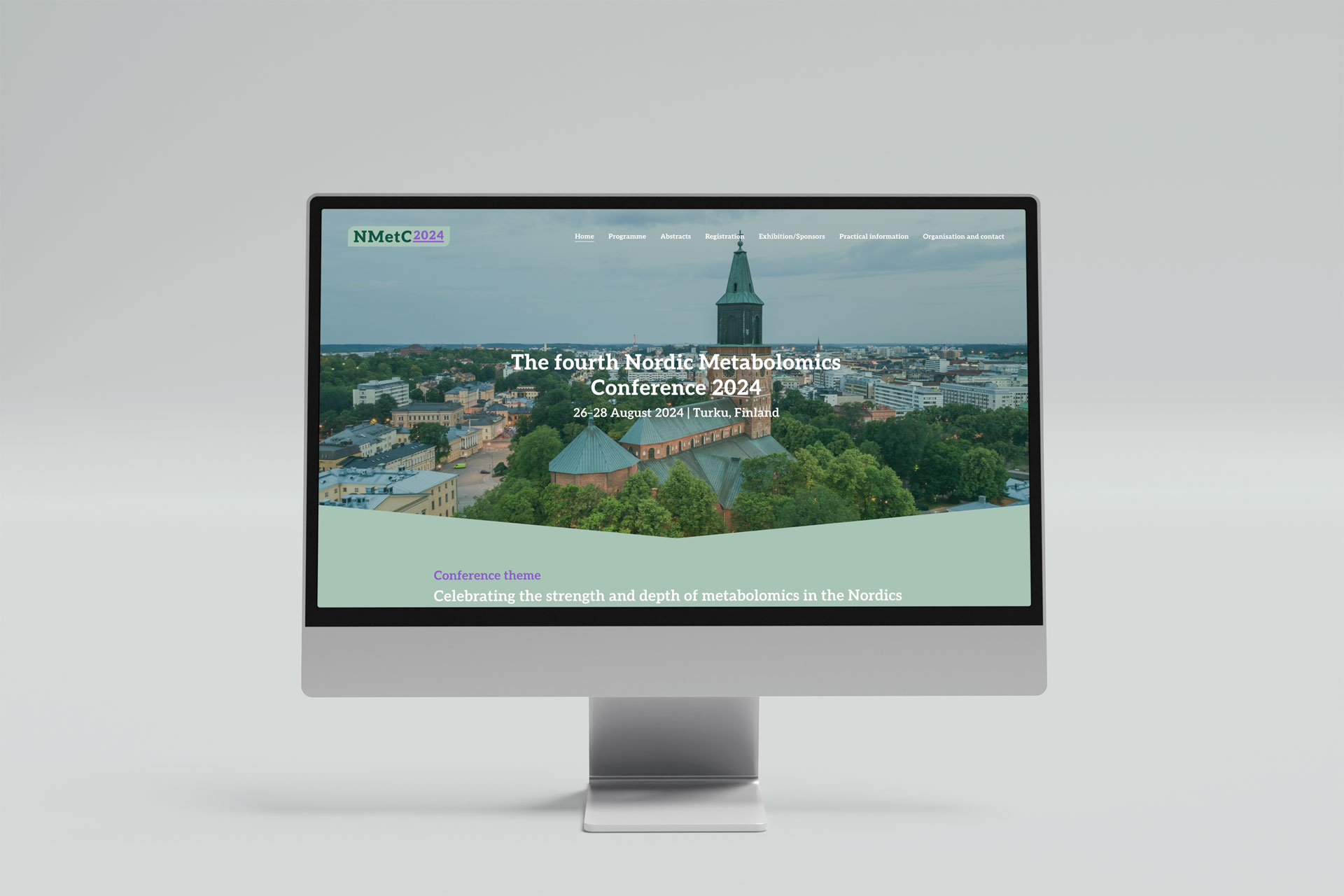
The participant journey begins 6–18 months before the event
In scientific conferences, the participant journey typically starts 6–18 months before the event. At this stage, participants look for information such as:
- Call for Papers schedules
- Abstract submission guidelines
- Registration
- Accommodation and travel
Early on, potential participants assess whether the event is worth attending. Their judgement is largely based on how clearly and credibly the information is presented.
If key dates or instructions are difficult to find, uncertainty increases. Clarity, on the other hand, strengthens trust. Trust is a core component of a scientific event’s brand.
What does a successful event website look like?
A successful event website is:
Visually consistent
Colours, typography, and imagery reinforce the event identity and expert profile.
Easy to use
Navigation works smoothly even with complex programme structures and large amounts of content.
Informative
Key schedules, speakers, committees, and practical details are easy to find.
Technically reliable
Responsiveness and fast loading times communicate professionalism – especially to an international audience.
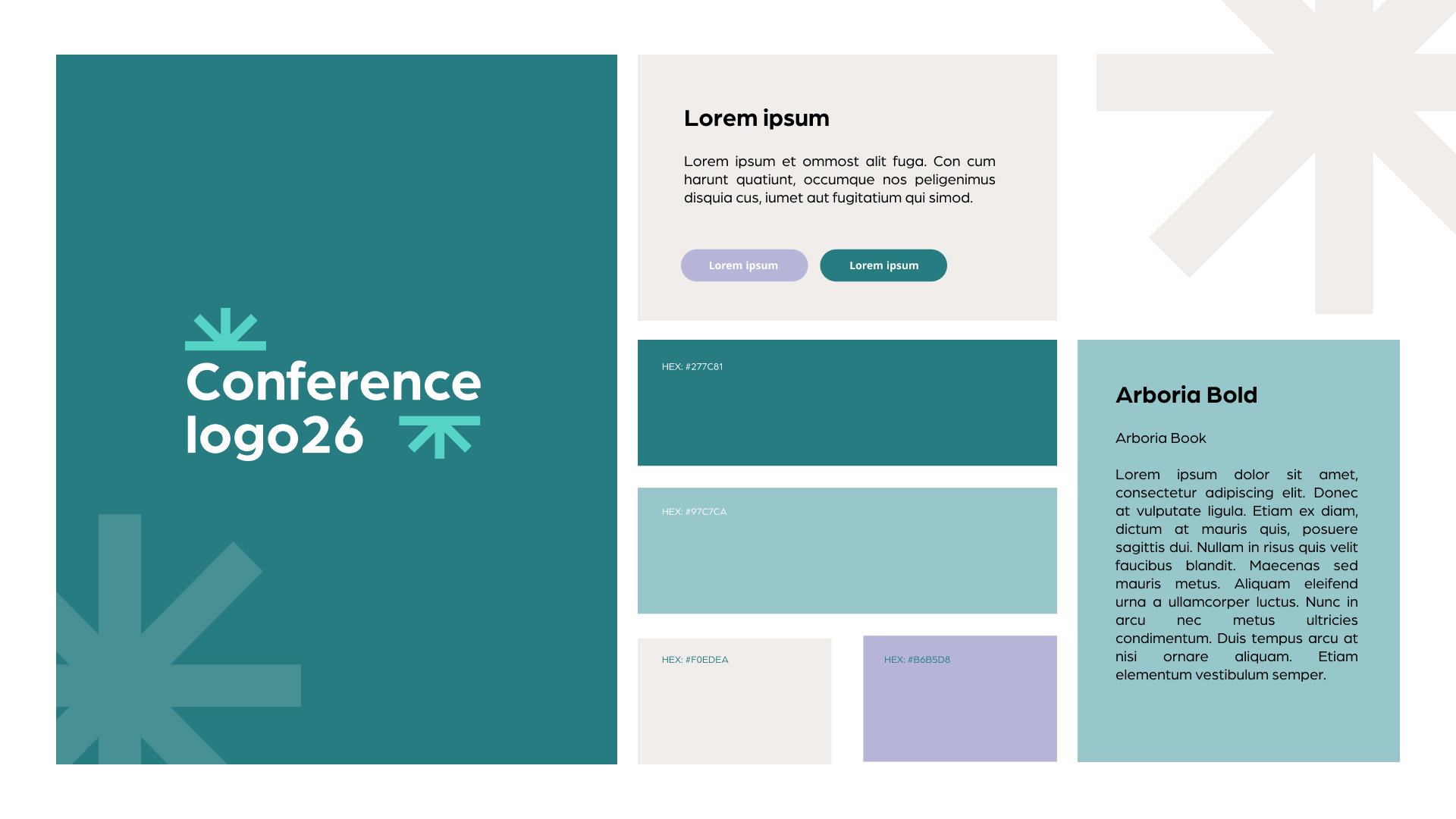
A visually consistent event website reinforces the event identity and expert profile.
Why is this strategically important?
A clear and consistent event website:
- strengthens perceptions of high‑quality content
- builds trust in the organising body
- reduces participant uncertainty
- supports sponsor and partner interest in the event
- reduces repetitive inquiries and administrative workload
The event website is not only an information channel. It is the first tangible indicator of the event’s quality – and a central part of the brand experience of a scientific conference.
Do you want to ensure that your event makes a strong first impression with a clear event website and a cohesive event identity?
👉 Get in touch – we’ll help you build an event that stands out.

